Community Property Partition in Louisiana | Hawkins & Associates, Lafayette Family Law

Practice Area · Family Law

Community Property Partition in Louisiana

Louisiana is a community property state — almost everything you and your spouse acquired during the marriage belongs to both of you until it's divided. Here's how the house, the accounts, the retirement plan, the cars and the boat actually get split under the Civil Code, and how to protect them right now if you're worried your spouse will sell, hide or drain them first.

Undivided 1/2 – each spouse's interest in former community property
3 years – prescriptive period to demand an accounting

The Basics

What Happens to Marital Property When a Louisiana Marriage Ends

When the community property regime terminates, the property you and your spouse owned together doesn't automatically split in half item by item. Instead, it becomes co-owned "former community property" until a court partitions it.

La. C.C. art. 2369.2 — Ownership Interest

Each spouse owns an undivided one-half interest in former community property and its fruits and products.

La. C.C. art. 2369.1 & art. 2369.3 — Co-Ownership & Duty to Preserve

Once the community regime ends, the rules governing co-ownership generally apply to the property until it's partitioned. Whoever controls that property owes the other spouse a duty to preserve and prudently manage it — consistent with how it was being used before the regime ended — and is answerable for any damage caused by fault, default, or neglect.

La. C.C. art. 2369 — Accounting Between Spouses

A spouse owes an accounting to the other spouse for community property under his control at the time the regime terminates. That obligation to account prescribes in three years from the date of termination — so this isn't something to sit on.

What's On The Table

What Counts as Community Property

In most Louisiana marriages, community property reaches far beyond the family checking account. Here's how a few common categories are treated.

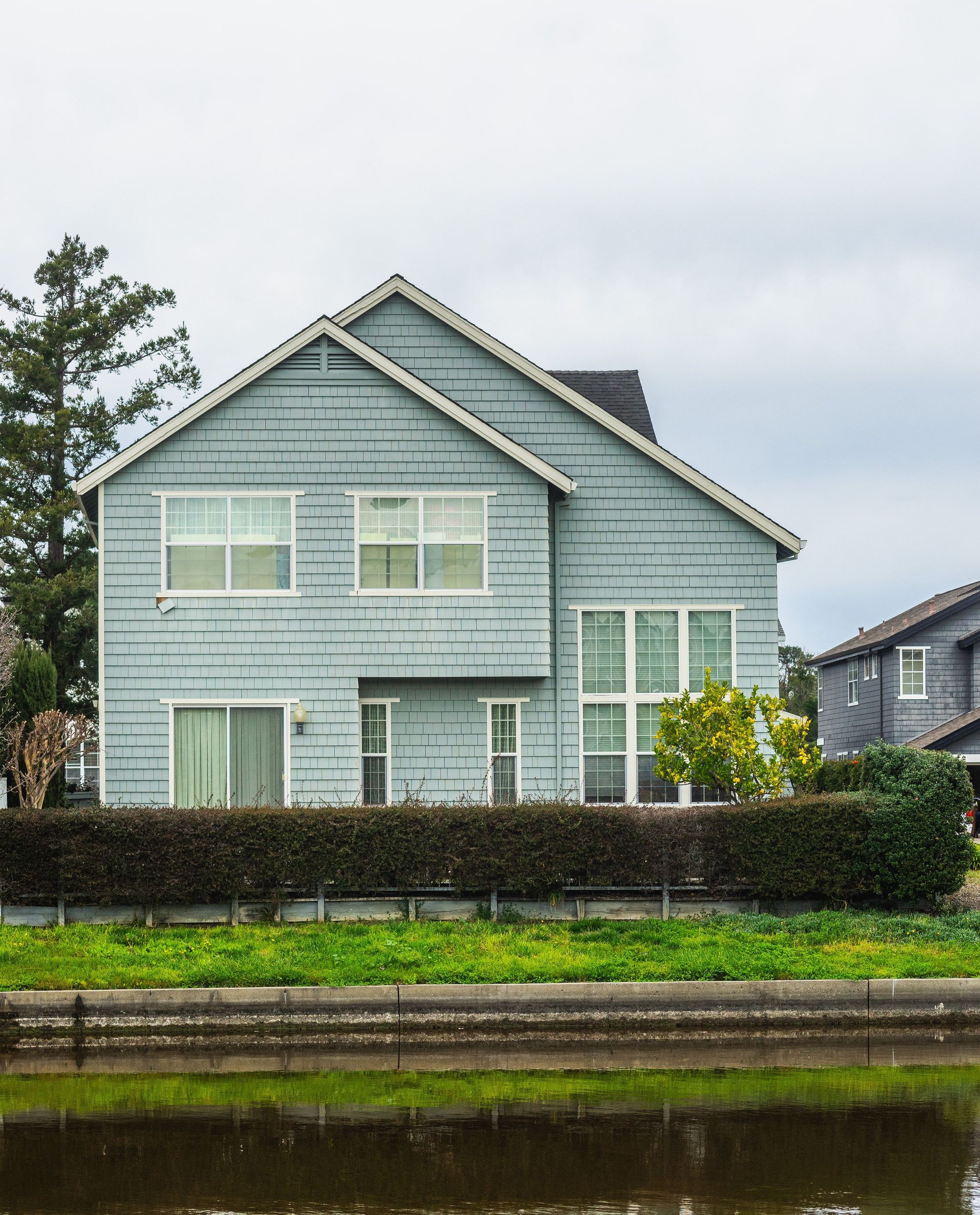
Exterior of a family home

The Family Home

If the home is community property, each spouse holds an undivided one-half interest in it once the regime ends. Separately, either spouse can ask the court to award exclusive use and occupancy of the residence pending partition.

La. C.C. art. 2369.2 · La. R.S. 9:374


Coins in a glass jar labeled savings

Financial Accounts

Bank accounts, savings plans and other divisible monetary assets can be allocated between spouses by summary proceeding while the case is pending — not just at the final partition.

La. R.S. 9:374(G)
A couple reviewing retirement and financial paperwork together

Retirement Accounts

Retirement and pension benefits are ordinarily community property to the extent earned during the marriage. Where federal law preempts community classification of a plan, the other spouse is instead allocated other community property of equal value.

La. R.S. 9:2801.1 · La. R.S. 9:2801(B)
Handing over a set of car keys

Automobiles

A car titled and registered in one spouse's name can generally still be driven, insured and used day-to-day by that spouse, but it cannot be sold, mortgaged or leased away without the other spouse's concurrence.

La. C.C. art. 2369.5 · art. 2369.4
Boats docked at a marina at sunset

Boats

Like vehicles, a registered boat is a "registered movable" under the Civil Code — the titled spouse can generally use it, but alienating, encumbering or leasing it away still requires the other spouse's concurrence or a court order.

La. C.C. art. 2369.5 · art. 2369.4

The Process

How Partition Works Under La. R.S. 9:2801

When spouses can't agree on how to divide community property or settle claims between them, either spouse can ask the court to partition it. The statute lays out a structured process.

Descriptive Lists & Traversal

Within 45 days of being served with a motion, each spouse must file a sworn, detailed descriptive list of all community property, its fair market value and location, and all community liabilities. Within 60 days after the last list is filed, each spouse must either traverse (dispute) or concur in the other's list — and the court then determines what's actually community property and what it's worth.

How the Court Divides Everything

The court values the assets as of trial, determines the liabilities, and divides community assets and liabilities so each spouse ends up with property of equal net value. In practice, the court works through options in order:

  1. Allocate specific assets and liabilities to each spouse (dividing an asset equally, unequally, or awarding it entirely to one spouse based on its nature, source, and each spouse's economic condition).
  2. Order an equalizing payment — cash or deferred, secured or unsecured — if the allocation isn't equal in value.
  3. Where allocating an asset would be unfair, order the spouses to draw lots for it or order a private sale on court-set terms.
  4. Only as a last resort — and only when none of the above will work — order a public sale (licitation), with the court required to state why the other options weren't used.

Timing & Other Issues That Can Come Up

A judgment of partition can't be rendered until the judgment terminating the marriage has been rendered, or at the same time. A few other issues the statute addresses directly:

  • The goodwill of a community-owned business may be included in its valuation, minus any goodwill tied to the personal qualities of the spouse who's awarded the business.
  • Future wages under an employment contract signed during the marriage are the separate property of the contracting spouse, for the unearned portion left when the community regime ends.
  • Domestic relations orders dividing retirement benefits stay interlocutory (not final) until approved as "qualified" by the plan administrator or appropriate authority.
La. R.S. 9:2801 · 9:2801.2 · 9:2801.3 · 9:2802

When Property Gets Mixed

Reimbursement Between Spouses

It's common for separate and community funds to end up intertwined over the course of a marriage — separate money used to pay down the mortgage on a community home, or community funds used to improve a spouse's separate property. Louisiana law addresses this through reimbursement claims.

La. C.C. art. 2358 & art. 2358.1 — The Right to Reimbursement

A spouse may have a claim against the other for reimbursement, but that claim generally can't be asserted until the community property regime terminates. Reimbursement is made from the patrimony (the overall assets) of the spouse who owes it.

La. C.C. art. 2366–2368 — Common Reimbursement Scenarios

A spouse is generally entitled to reimbursement for one-half the value of separate funds used to acquire, improve, or benefit community property (and vice versa), for separate property used to benefit the other spouse's separate property, and for increases in the value of separate property attributable to the spouses' uncompensated common labor.

La. C.C. art. 2359–2363 & art. 2362.1 — Community vs. Separate Obligations

Debts, too, are sorted into community and separate obligations. An obligation incurred during the marriage is presumed to be a community obligation unless it falls outside the common interest of the spouses. Attorney fees and costs incurred in a divorce action before judgment are generally treated as a community obligation — except where they're awarded against a spouse found to have committed abuse, in which case they're that spouse's separate obligation.

Act Now

Worried a Spiteful Spouse Will Sell, Hide, or Drain Your Property? Get an Injunction Immediately.

Once a divorce is on the table, it's not unusual for one spouse to try to empty a bank account, sell a car or boat, or run up debt against the house before a court can step in. Louisiana law gives you tools to stop that — but they generally have to be requested; they don't happen automatically. If you're worried about what your spouse might do with shared property, the time to act is now, not after the fact.

La. C.C. art. 2369.4 — Alienation Prohibited Without Concurrence

A spouse may not alienate, encumber, or lease former community property, or an undivided community interest in it, without the other spouse's concurrence. If it's done anyway, the transaction is a relative nullity — meaning it can be undone.

La. R.S. 9:371 — Injunction Against Alienation or Encumbrance

In a divorce proceeding, a spouse may obtain an injunction restraining or prohibiting the disposition or encumbrance of community property until the court orders otherwise. When properly served on a financial institution, it can freeze accounts, safe deposit boxes, and other assets held in either spouse's name.

La. R.S. 9:374 — Possession, Use & Allocation Pending Partition

A spouse can ask for exclusive use and occupancy of the family residence pending partition, and for a summary proceeding to allocate community bank accounts, savings plans, and other monetary assets while the case is pending — with the court weighing any history of financial control or domestic abuse.

La. R.S. 9:373 — Removal of Personal Property

The court can grant an ex parte order for a sheriff or law enforcement officer to accompany a spouse to the family residence so that clothing, food, and other necessary personal items can be safely retrieved.

In some circumstances, La. R.S. 9:375 also allows the court to award attorney fees and costs connected with these actions.

This page provides general information about Louisiana community property law and does not constitute legal advice. Every case is different, and outcomes depend on the specific facts involved. Contact our office to discuss your situation directly.

Let's Protect What's Yours.

Scott Hawkins has guided Acadiana families through community property disputes for over two decades — including moving quickly to freeze and protect assets when time matters. Let's talk about what comes next for you.